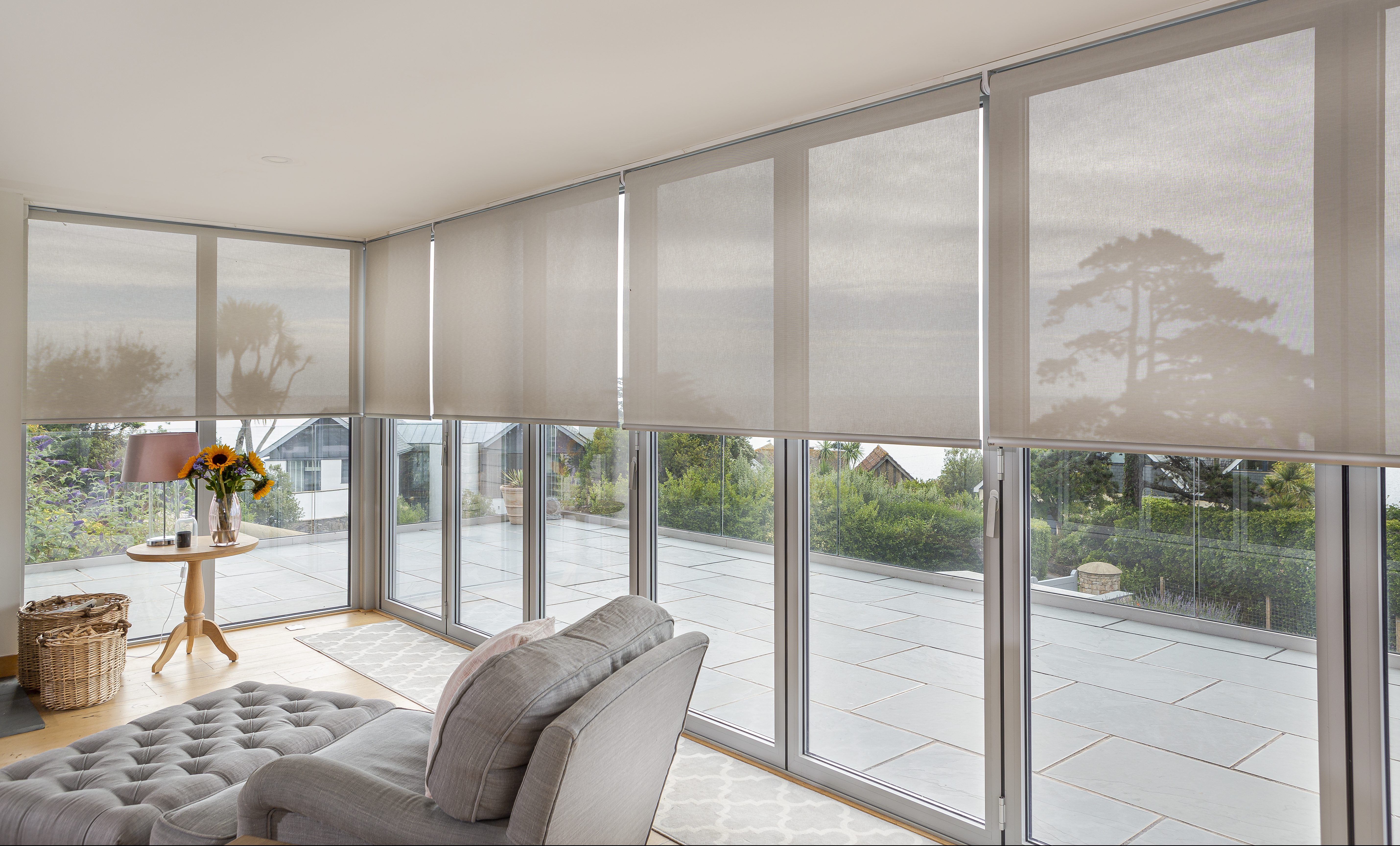
Buying Blinds in Australia: Key Things to Know
Wiki Article
Made For Your Backyard Why Your Climate Decides Your Blind Decision
We have multiple climates in Australia. The dry, baking heat of Alice Springs' summer is quite different from the humid and saturated air of Cairns during the wet seasons. They are also different from the salty wind that can slam an Brighton beach house. It's not only a matter for weather forecasts and forecasts, it's a major element to consider when selecting window furnishings. Choosing a blind based solely on the images in a catalog, with no an in-depth analysis of your local environmental conditions, is a shortcut to premature warping, fading, corrosion, and failure. Blinds should be as robust as you. This means that they should be specifically designed to meet the specific demands of your locale.
The mechanisms that fail are clear and unforgiving. In humid sub-tropics and tropical regions such as Northern NSW and Queensland, the atmospheric moisture is the enemy. A constant high humidity is a all-encompassing force. It scours for organic material which causes untreated wood to expand and become warped. This causes mildew and mould to bloom on natural fabrics like linen or cotton, leading to unpleasant odours and staining. Inadequately coating metal components, like the ones found in chains and cords can lead to a creeping corrosion. In this instance, it is important to use synthetic materials that are impervious and resistant.
For these zones the blinds you choose should be based on the latest composites and polymers. Venetian and PVC blinds (vinyl or faux wood) are ideal for humid environments. They are made of non-porous materials that do not take in moisture. This means they are not susceptible to warping or Microbial growth. Aluminum Venetians with powder-coated finish are a good choice for a modern appearance that is free of rust. For softer styles, look for synthetic fabric rollers or Roman blinds that are made of solution-dyed acrylics or polyesters. They are naturally resistant to moisture. They're also typically treated with an anti-mildew product. Natural fibers without lining and wood that are real are best avoided unless they have been specially treated for use in high-humidity applications.
In Australia's interior which is warmer and drier, UV radiation and extreme temperature fluctuations during the day are the main attack. In this region, the sun does more than just illuminate a room. It also degrades chemically materials. Fabrics can fade, plastics may become brittle, and the constant expansion of warm to cold temperatures could result in fittings and mechanisms to become stressed. UV stability becomes an important issue in this environment.
The choice of fabrics should be based on their sun resistance. It is wise to purchase outdoor-rated fabrics, even if you are making use of it indoors. They are composed of solution-dyed polymers (often referred to as Sunbrella), which are able to embed the color in the polymer. They are, therefore, extremely resistant to fade. Blinds that are coated with UV-protective materials are vital in order to not only protect your furniture but also the blinds themselves. Aluminum slats work well but you must ensure that all plastic components in the hardware are UV-stabilised grades. It's all about color: darker tones absorb more heat, which may result in them degrading faster in the sun. However, lighter shades reflect heat, and are more likely to not fade as quickly.
There's also the coastal zone. It's a narrow, densely populated area in which the air is a mix of sand and salt sprays. It's a highly corrosive atmosphere that can ravage metals with a ferocious. If the coating on a metal roller cassette, or an aluminum slat is inferior, it will soon exhibit signs of pitting and oxidised finishes. The wind-borne sand acts as a gentle, abrasive scratching surface.
For homes with a coastal location, the specification must be strong. Every metal part that is tilt-wands, such as the headrail and the headrail, should be constructed from stainless steel that is marine grade or aluminum. Check for "coastal" and "salt air-friendly" ratings. This usually means the fittings underwent specific anodising processes or coatings (like pigment coatings made for marine use) to be able to stand up to salt-air testing. PVC, acrylic fabric, and composite"faux wood" all can withstand salty air. It is critical to avoid ferrous metals (ordinary steel) completely and ensure that the screws you use for installation and wall anchors are made of stainless steel in order to keep streaks of rust from appearing on your walls.
Microclimates are found beyond these wide zones. Melbourne's south-facing balcony is exposed to cool and damp conditions. Adelaide's window facing west receives the sun's rays in the afternoon. This is the point that a local service provider who has the right knowledge becomes essential. In real houses they've seen what works, and what doesn't for your specific area. They can tell you what brand's powder coat stands up in Bribie Island, or which fabric blend has held up to Perth's sun better than others.
Ask them specific questions based on their location: "I live three streets from the beach in Sorrento Do I need to get the marine-grade option?" What is the best TSER fabric (Total Solar Energy Resistant) that you can offer that will guarantee high-quality colour for my sunroom facing west in Penrith? The answer they provide must be based on local experience, not just an online sales brochure.
The ultimate goal of viewing blinds from the viewpoint of climate suitability, is to ensure long-term value. This will also give you peace of mind. It is the difference in a blind being a temporary decorative piece and one that is long-lasting and a part of your home. Modern materials science has been developed to meet the Australian environment's demands. It's not just an eye-catching window treatment when you select a blind for your backyard. You are making an investment in something that can last, looks great and work well every season. It is, essentially, the most sensible form of design: beauty that will last exactly where you reside. See the recommended blinds for site tips including the blinds store, direct fit blinds, window covering store, blinds direct, online blinds, single blind slats, blinds online australia, blinds store, call blinds, factory direct blinds near me and more.
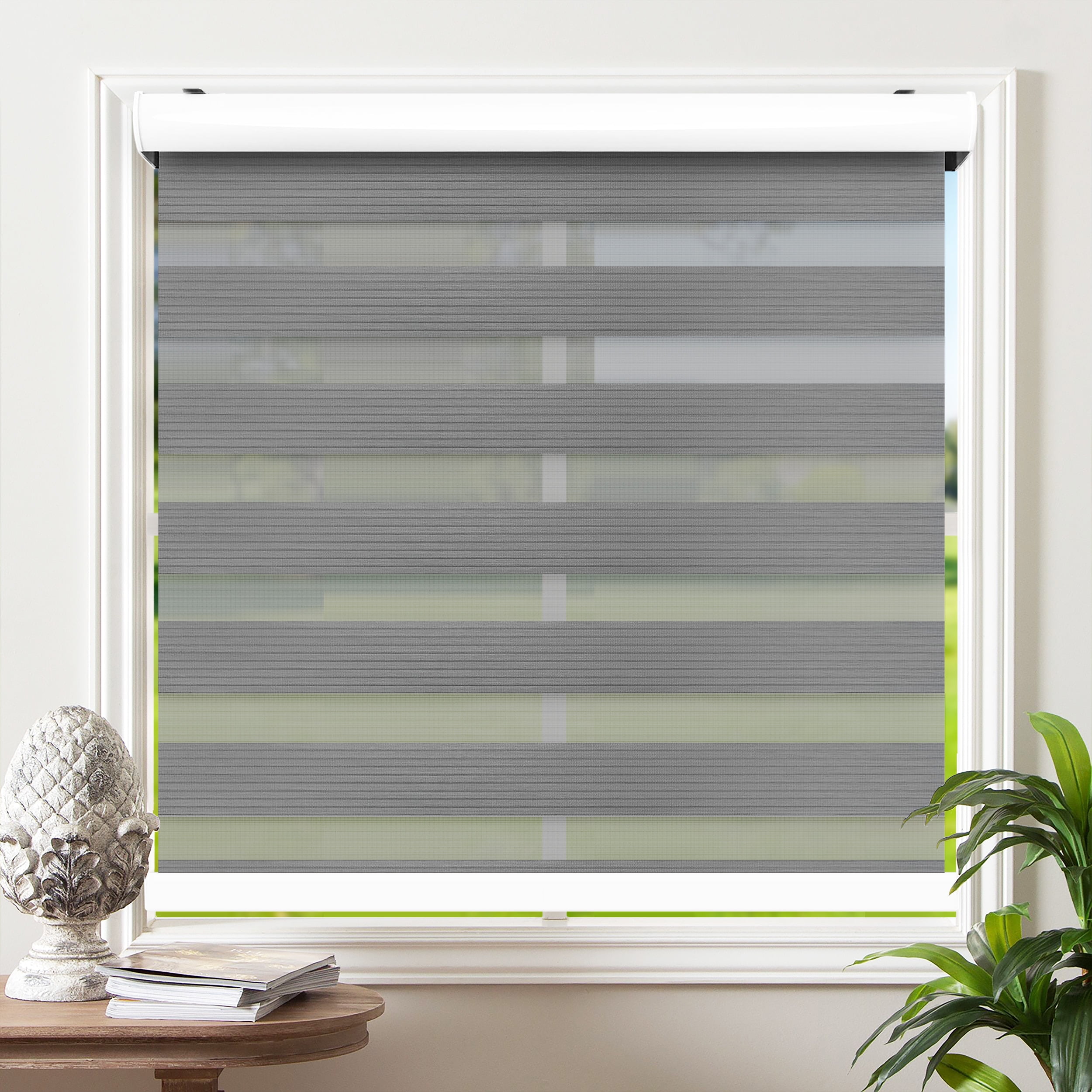
The Fine Print Guarantee How To Recognize Blind Warranties Prior To Buying
The warranty is often neglected in the process of choosing blinds to fit your Australian home. When fabric samples are selected and quotations are compared, a crucial document is only given a brief glance before being tucked away. It's usually presented as a final reassurance or a proof of the quality. In reality, a warranty is not a generic guarantee of satisfaction; it is legally binding and specifically defines the extent of a provider's liability. Blinds comprise electronic, mechanical and textiles that is constantly exposed to the harsh Australian sun salt, as well as usage. Understanding the fine print can be the difference between being protected and a costly mistake. The real value of a manufacturer's warranty is not in how long it is however, but in the scope of the scope of coverage it provides.
First, and perhaps most commonly, people focus on the warranty's duration. "A five-year warranty" may sound impressive but it's not clear what exactly is covered. A warranty that is robust will break the coverage down into distinct categories, as every component is susceptible to failure in a variety of ways. The warranty on fabric or material should include manufacturing defects, for instance the delamination or weave that is defective. But, it must also safeguard against premature fade. This is a priority for Australia. You should look for a fade guarantee that is specific like "guaranteed not to fade more than X% over Y years under normal interior conditions." Beware of any vague language. This warranty is voided if it is used outdoors or in unventilated, persistently damp areas.
The only mechanical components' guarantee are the elements that work such as the roller mechanism that is used in a Roller Blind, the tilt and lift mechanisms in Venetians and the ladders and cords. It should cover any breakage due to fatigue or manufacturing defects in normal operating conditions. It's important to keep in mind that the warranty shouldn't be voided if you comply with the manufacturer's guidelines for maintenance and cleaning. Then there's the motor and electronics warranty for automated systems. The warranty is typically the most limited (usually 2-3 years even if fabric is five) that reflects the complexity of the technology. It should cover all components that include the receivers, motors, as well as any wiring.
Exclusions and conditions list is one of the most important, but often overlooked parts of the warranty. It is here that the obligations of you are defined. Common exclusions that immediately void warranties include:
Installation by anyone other than the installer who is authorized by the manufacturer. This is among the most significant. DIY installations may invalidate a warranty even if it is done perfectly, because the manufacturer cannot guarantee operating conditions or stresses on components.
Improper care or maintenance. It is the act of using the use of abrasive materials to clean, removing a blocked roller blind, or ignoring a simple knot in the cords.
"Fair wear and tear" or 'gradual reduction in performance.' These are terms that are subjective and can be used to deny claims for mechanisms that have worn out simply from high-frequency use.
Damage or fading due to extreme conditions. If you install a blind that is not coastal-rated directly facing the ocean, its rapid corrosion likely won't be protected.
This is the reason why the warranty can't be seen as a separate document. The warranty is intrinsically linked to the quality of initial installation and after-sales support provided by the supplier. A guarantee from a reputable local company with an established reputation is more valuable than the same-looking assurance from a retailer online. The local supplier is a real-world company with a physical address. It has its own installers who are covered by the warranty and has direct contact with the manufacturer. This allows for faster processing of claims. To safeguard their reputation and their reputation, they are urged to honor the warranty. An entity located far away may require you to navigate a maze of call centers, uploading images and long delays before the technician arrives.
Your questions to suppliers should go beyond the simple "Do you offer a warranty?" and become more specific. You should ask: "Can you provide the warranty document for my specific chosen product before I sign the agreement?" "Does the fade warranty cover the particular color I've selected, and what is the threshold that is required to make a valid claim?" "If a motor fails in year two, what is the process? What happens if the engine fails after year two? Do you replace it on the spot, or must I ship it out to an interstate center for repair?
Australian Consumer Law (ACL), regardless of the warranty provided by the manufacturer, also ensures the purchase. The ACL stipulates that all products be satisfactory in quality, suitable for purpose, and match their description. This is a safeguard beyond a warranty's expiration date if a significant failure occurs that wasn't expected for the cost. ACLs may take longer and effort to invoke than a simple warranty claim.
A strong warranty is ultimately an indication of the trust the manufacturer has in its product. It's been tested according to Australian conditions. This is your formal protection against defects. But it is not an insurance policy for all possible issues. If you partner with a provider, you can unleash its full potential. They'll ensure proper installation and will act as your advocate. Not only do you want an authentic warranty, but also an option that you can to take in the possibility of an issue. This is essential in Australia, where products have to endure some of the most harsh sunlight conditions in the world. It turns a simple advertising promise into an actionable real-time promise of peace, and guarantees that your most loved picture will be displayed by a sturdy product.